Bar With Private Room Ideas for Festive Seasonal Events
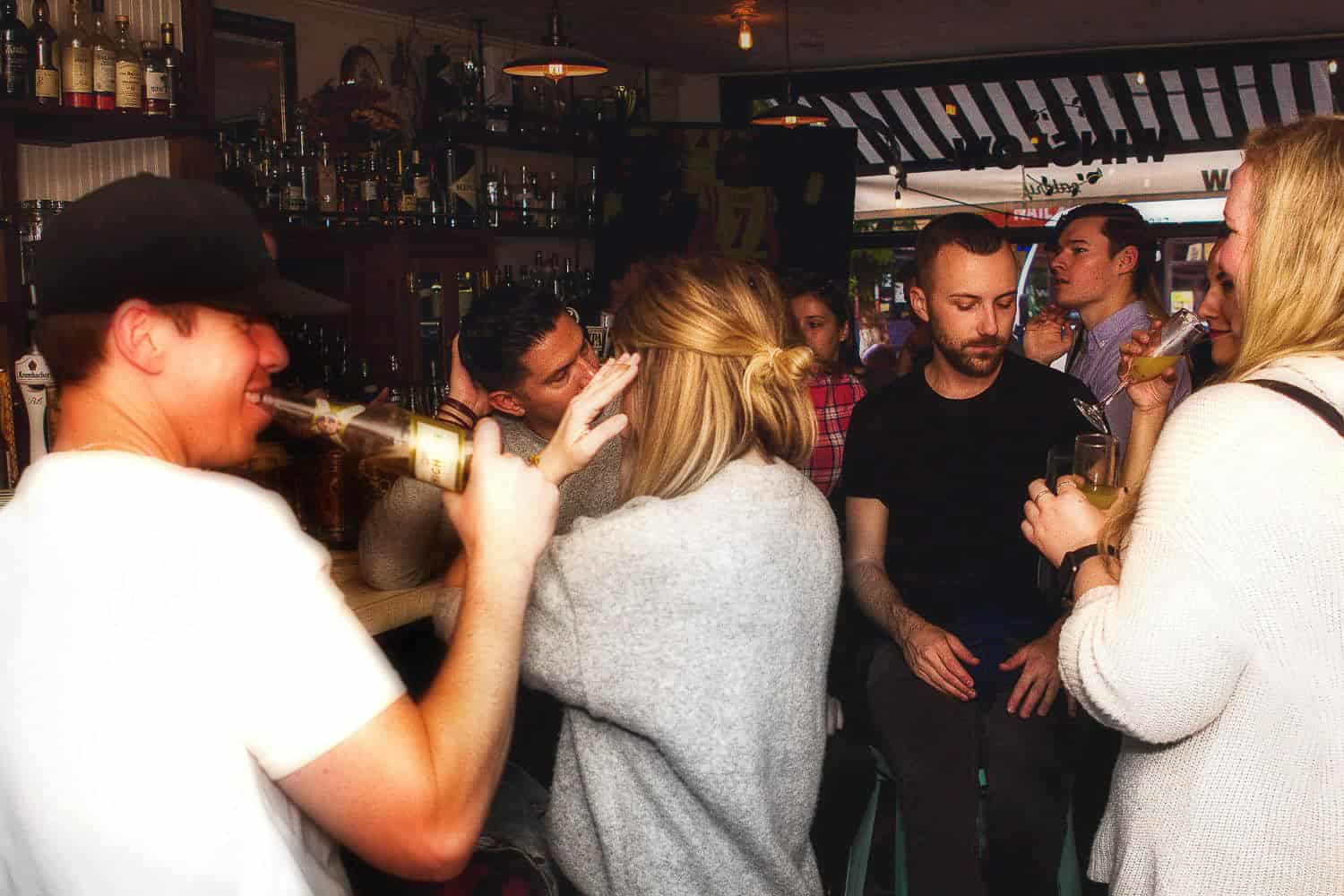
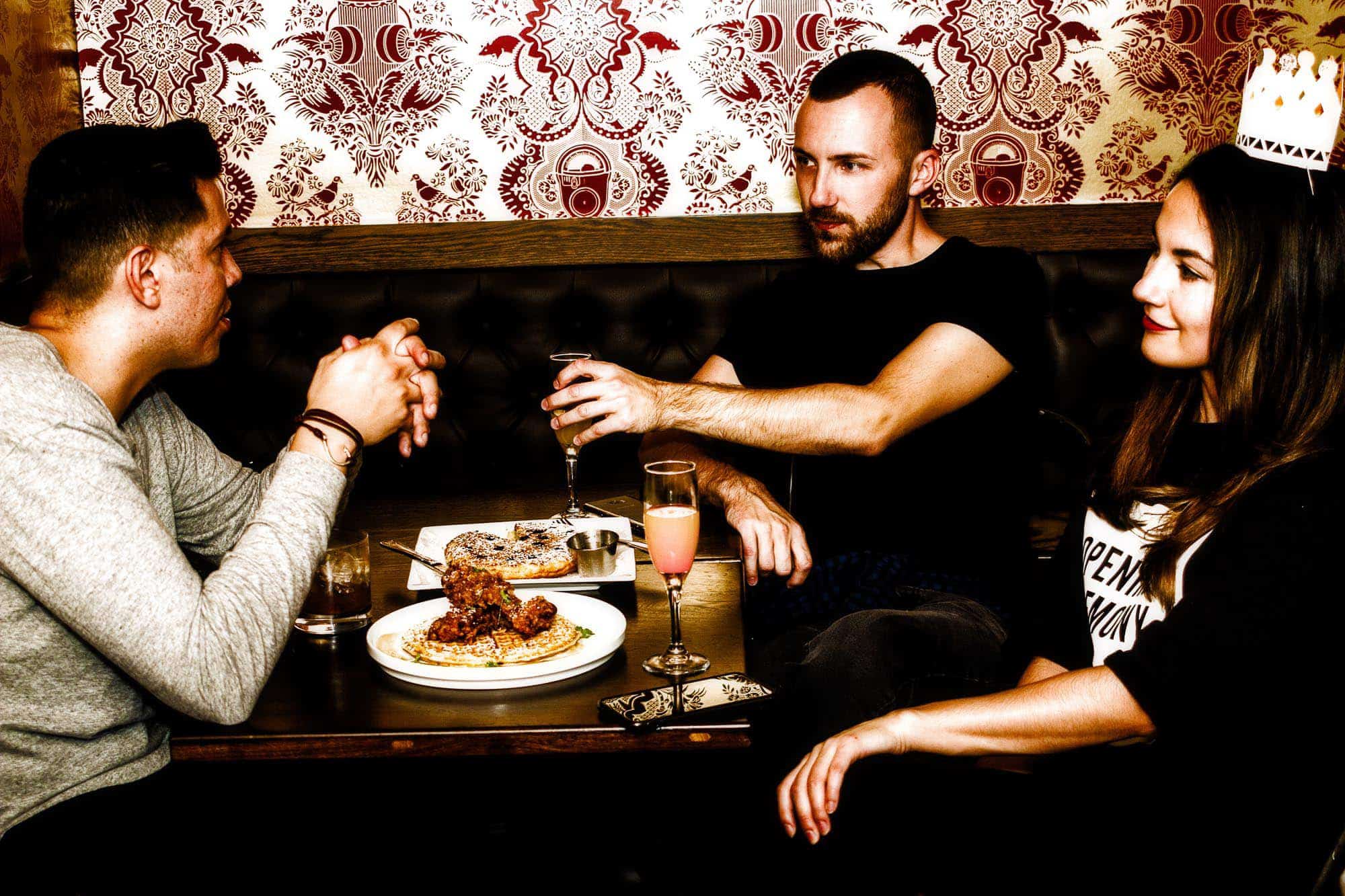
The right venue can make a seasonal event feel easy before the first guest even arrives. That is especially true when you book a bar with private room access. You get the atmosphere people actually enjoy, the drinks program is already built, the staffing is in place, and you avoid the flat, overlit feeling that drags down so many holiday gatherings. For hosts who want warmth, flexibility, and a little privacy without renting an entire restaurant, it is one of the smartest formats available.
I have seen seasonal parties succeed for reasons that had nothing to do with budget and everything to do with fit. A compact private room with good acoustics and a sharp bartender can outperform a much grander venue that feels impersonal. Guests remember whether they could hear one another, whether there was somewhere to put a coat, whether the cocktails came quickly, and whether the room felt lively instead of forced. Seasonal events carry their own pressure. Calendars are packed, weather can interfere, and expectations run high. That is why the room itself needs to work harder.
A bar with private room options also gives hosts something many event spaces do not: built-in mood. During autumn and winter, that might mean low lighting, darker wood, candlelight, and a menu that leans toward whiskey, red wine, hot cocktails, or richer small plates. In spring and summer, it may mean brighter interiors, garden access, spritzes, and more casual circulation. The best ideas start by using the natural strengths of the bar rather than trying to turn it into something it is not.
Why private rooms work so well for seasonal entertaining
Seasonal events tend to fall into one of two camps. They are either highly social and informal, or they carry a light layer of structure, such as speeches, gift exchanges, team recognitions, or family toasts. A private room handles both better than the main floor. Guests can mingle without competing with a larger crowd, and the host can guide the pace of the event without feeling like they are interrupting regular service.
Privacy matters more than people expect. At a company holiday gathering, staff usually relax more when they are not wedged between strangers at the main bar. At a family New Year celebration, older relatives can talk without shouting over a DJ. At an end-of-year client event, a host can make introductions and short remarks without losing the room. Even a casual Friendsgiving feels more intentional when everyone has a defined space.
Then there is the operational side. Many bars structure private room bookings with food and beverage minimums rather than flat rental fees. That can be a better value if your group was going to spend on drinks and food anyway. It also gives you more control. You might choose an open bar for the first hour, switch to wine and beer after that, or offer a limited cocktail selection to keep service smooth. Those details matter during busy festive periods, when speed and clarity can preserve the mood.
Matching the room to the season
A common mistake is choosing the bar first and trying to make it fit the season later. It usually works better in reverse. Start with the kind of atmosphere the season suggests, then find a space that already supports it.
Winter celebrations benefit from intimacy. A lower ceiling can actually help. Upholstered seating, warm lamps, and a room that feels enclosed can create the sense that guests are tucked away from cold weather and crowded streets. If the venue has a fireplace, all the better, though I would never book based on that feature alone. I have seen too many hosts overvalue one pretty detail and ignore weak service flow.
Spring events often call for flexibility. A private room with windows, patio spillover, or a semi-open layout can keep the energy light. This works particularly well for bridal showers, client mixers, and milestone birthdays that want more movement than a formal meal.
Summer opens up the possibility of rosé-driven receptions, frozen cocktails, and later starts. If a bar with private room access also offers outdoor overflow, that is useful, but only if the indoor room can carry the event on its own. Weather changes quickly, and nothing exposes poor planning like a group forced inside with no proper backup.
Autumn may be the easiest season to style because bars already lean into its natural palette. Amber spirits, spiced drinks, harvest menus, and richer textures look intentional without much decoration. It is ideal for reunion events, Thanksgiving-adjacent dinners, and work socials before the holiday rush peaks.
Event ideas that suit a bar with private room access
Not every festive event needs a ballroom, a banquet, or a formal dining room. Some of the best seasonal gatherings are smaller, smarter, and built around conversation. A private room inside a bar supports that kind of event beautifully.
Corporate holiday parties are the obvious candidate, but they do not need to be the predictable buffet-and-speech affair. A private room allows for a cocktail-style format with a short welcome toast, passed bites, and enough seating for those who want it. Teams mingle more naturally when they are not locked into a plated dinner for three hours. For groups under about 60, this setup often creates more genuine interaction than a traditional restaurant buyout.
Client appreciation evenings are another strong fit. I once attended one in a back room at a neighborhood cocktail bar where the host kept the guest list to around 30. There were no banners, no branded gift bags, no heavy-handed programming. Just excellent martinis, strong nonalcoholic options, and polished service. People stayed longer than expected because it felt generous without being performative.
Family celebrations also work well in this format, especially when the group spans ages and personalities. A bar private room can host an engagement toast, a festive birthday, a retirement gathering, or a New Year dinner with enough informality to keep it warm. The setting encourages movement. One cluster talks near the bar, another sits at a banquette, a few people circulate with appetizers. It feels alive.
Then there are themed seasonal nights that avoid cliché by keeping the concept narrow. A mulled wine evening in December, a winter whiskey tasting, a spring spritz reception, or an autumn cider-and-cheese gathering can all feel thoughtful without requiring excessive décor. The venue already supplies most of the character.
The best festive concepts are built around experience, not decoration
Hosts often spend too much time thinking about centerpieces and not enough time thinking about pacing. In a bar setting, the experience is the design. How guests arrive, get a drink, find one another, settle in, eat, and either stay late or https://elliottepir636.quillnesty.com/posts/bar-with-private-room-trends-that-are-changing-private-events leave easily matters more than whether the napkins match the season.
A good seasonal event has a clear opening move. Maybe guests are greeted with a signature drink tray as they enter the private room. Maybe there is a dedicated coat drop and a host stand to keep the entrance calm. Maybe the first 30 minutes are intentionally light, with simple passed snacks and music low enough for conversation. Those choices tell guests what kind of evening they are in.
Food format matters too. A private room in a bar usually performs best with one of three models: substantial passed bites, small plates placed in waves, or a hybrid that starts standing and shifts into more settled dining. Full plated meals can work, but only if the room and service team are set up for it. In many bar venues, trying to force restaurant-style dining into a cocktail room slows service and interrupts flow.
The same judgment applies to entertainment. Live music can be excellent if it fits the room size and volume. A solo pianist or jazz duo may elevate a holiday event. A loud band in a compact private room can kill conversation within 20 minutes. Trivia, tastings, and short guided experiences work better because they give shape without dominating the evening.
Details that separate polished events from stressful ones
There are a handful of questions I always advise hosts to ask before committing to a bar with private room space. These questions reveal far more than the glossy photos.
- How many guests can the room hold comfortably for the format you want, not just by fire code?
- Is there a private restroom nearby, or will guests reenter the main venue repeatedly?
- What does the food and drink minimum include, and what counts toward it?
- How does music work in the room, including volume limits and speaker access?
- What happens if the guest count drops or grows within the final week?
That first question is the most important. Bars often advertise the maximum standing capacity because the number looks attractive on paper. In practice, comfort depends on layout, furniture, staffing, and whether coats, gifts, or AV equipment will take up space. A room listed for 50 may feel ideal at 35 and strained at 45. Hosts who understand that difference avoid the classic problem of a room that looks impressive in photos but feels cramped once everyone arrives in winter outerwear.
The minimum spend question is where many budgets drift. Clarify whether tax, service charge, room fee, and add-ons count toward the minimum. They often do not. Also ask how beverage packages are priced and whether premium spirits are included. I have seen hosts assume an open bar covered everything, only to learn on the night that certain wines and cocktails were excluded.
Seasonal menus that actually make sense in a private bar room
The menu should support the room, the season, and the guest behavior you expect. If people will mostly stand and mingle, avoid anything that requires a knife, constant balancing, or too much explanation. If the event has speeches or a gift exchange, time the heartier items before or after that moment so the room is not juggling plates during the key part of the evening.
In winter, richer bites hold up well. Think mini pot pies, croquettes, skewers, short rib sliders, mushroom tartlets, or small bowls of soup if staffing is strong. Drinks can lean toward old fashioneds, Manhattans, hot toddies, espresso martinis, and fuller-bodied reds. But balance matters. Every festive menu also needs freshness. A crisp salad bite, a bright crudo, or a citrusy nonalcoholic drink keeps the menu from becoming too heavy.
Spring menus should feel lighter without becoming insubstantial. Good hosts remember that guests often arrive hungry, especially after work events. A room full of prosecco and tiny canapés sounds elegant but may send people looking for dinner at 10 p.m. Add something with real weight, like chicken skewers, flatbreads, or substantial vegetarian options.
Summer events benefit from a shorter menu with sharp execution. Heat exposes weak logistics fast. Frozen drinks melt, seafood needs careful timing, and outdoor traffic can disrupt service. Choose items the kitchen can produce consistently if the venue is busy overall.
Autumn is where bars often shine brightest. Seasonal cocktails with apple, pear, rosemary, or cinnamon can feel festive without resorting to novelty. Pair them with roasted vegetables, good cheeses, charcuterie, or dishes that feature smoke, spice, and texture. A private room already creates closeness. The menu should deepen that feeling.
Decorating without fighting the venue
Private rooms in bars rarely need much decoration. In fact, too much décor can make the space feel smaller and less expensive. The smartest approach is usually to add one or two intentional touches that reinforce the season while respecting the venue’s own identity.
Florals should stay low unless the event is seated and formal. Candlelight is effective, though you need to confirm venue policy on open flame. Menus or drink cards can do more aesthetic work than people think, especially if they are well designed and tied to a seasonal color palette. If there is a gift table, make it deliberate rather than improvised. A cluttered side table near the entrance can undo the whole look of the room.
For winter holidays, I prefer texture over theme. Velvet ribbon, greenery, brass accents, and warm-toned candles age better than anything overly literal. Spring can handle more color, but keep it restrained. Summer wants airy arrangements and less table coverage. Autumn benefits from natural materials and richer tones, though there is a fine line between elegant and rustic overload.
A useful rule is that guests should still feel they are in a good bar, not in a decorated conference room. If the venue already has character, let it lead.
Guest flow is where most seasonal events are won or lost
The first ten minutes of arrival shape the entire evening. If guests queue awkwardly at a host stand, cannot find the private room, or enter to no visible service point, the event starts flat. A good bar team can rescue a lot, but layout still matters.
Try to picture the room in motion. Where do coats go? Is there a surface for gifts or name tags? Will the first drink be pre-poured, tray-passed, or ordered at the private bar? Can late arrivals enter without interrupting a toast? These seem like small concerns until they create bottlenecks.
For groups of 20 to 40, a dedicated welcome drink often helps. It gets a glass in everyone’s hand quickly and reduces the crush at the bar. For larger groups, that only works if the venue has the staff and staging space to replenish efficiently. Otherwise, open the room 15 minutes earlier and let arrivals spread out.
Speeches should be short and timed carefully. In a bar environment, attention is earned, not assumed. If there is something important to say, do it once guests have a first drink and before service gets too deep. Five minutes is usually enough. Eight is pushing it. Beyond that, people start checking the bar and the exits.
Budget choices that are worth making
Not every upgrade earns its keep. Some absolutely do. Additional staffing, for one, often pays for itself in guest experience. Slow drinks service is one of the fastest ways to make a festive event feel cheap, even when the room itself is beautiful.
These are the areas where I generally see strong return on spend:
- Better food timing and a little more substance than the bare minimum package
- One polished signature cocktail plus a serious nonalcoholic counterpart
- Extra coat check support in cold weather
- Clear sound for short remarks or music, rather than improvised speakers
- Slightly lower guest count for a more comfortable room
The last point is frequently the hardest sell because hosts naturally want to include everyone. Still, I have rarely seen a crowded private room improve an event. Tight capacity affects circulation, noise, service, and comfort all at once. If trimming the guest list by six or eight people lets the room breathe, the whole evening improves.
On the other hand, branded favors, oversized balloon installations, and complicated custom menus often have weak returns in bar settings. People respond more strongly to good hospitality than to decorative spending. A warm welcome, quick drinks, comfortable seating, and a room that feels right for the season will do more than almost any novelty.
Different festive events call for different room personalities
One of the advantages of choosing a bar with private room space is range. Not every seasonal event should look or feel the same.
A workplace celebration typically benefits from semi-structured informality. You want enough polish that it feels special, but not so much formality that people stiffen up. A room with a private bar, mixed seating, and easy circulation usually wins. Add a modest program, keep speeches brief, and let the food arrive in waves.
A family event often needs comfort first. Look for a room with seated options, accessible restrooms, and acoustics that allow conversation across generations. If there are guests who do not drink, make sure the nonalcoholic menu feels considered, not apologetic.
A client-facing holiday event should feel confident and hospitable rather than flashy. Good lighting, attentive staff, and quality glassware matter. So does being realistic about volume. Guests who are trying to network or talk business will not thank you for a room that turns into a nightclub at 8 p.m.
A friends’ festive gathering can be looser and more playful. Here, theme can work if it is handled with restraint. A seasonal cocktail flight, a midnight toast package, or a bartender-led tasting can add shape without becoming gimmicky.
The case for simplicity
The most memorable seasonal events I have attended in private bar rooms were rarely the most elaborate. They had a point of view, certainly, but they did not try to entertain guests every minute. They trusted the setting. They made practical decisions early. They knew who the event was for.
One December gathering that stayed with me was held in a small upstairs room above a neighborhood bar. There were about 28 guests, a fire-lit corner, three excellent cocktails, and enough food to count as dinner without becoming a formal meal. The host gave a short toast, the music stayed low, and people talked for hours. No one posted about the napkins or the florals. They talked about how relaxed the evening felt. That is usually the clearest sign that the planning was good.
A bar with private room access is not the answer for every event. Very large groups, heavily programmed evenings, and black-tie affairs may need a different setup. But for festive seasonal events that depend on atmosphere, conversation, and a sense of occasion without stiffness, it is hard to beat. Pick a room that already knows how to host. Shape the menu to the season. Protect guest comfort. Let the venue’s character do its work. When those pieces line up, the event feels effortless, even though it rarely is.
The Winslow
Address: 243 E 14th St, New York, NY 10003
Phone number: +12127777717
FAQ About Bar With Private Room
Which bars in NYC offer private rooms?
Many bars in New York City offer private and semi-private rooms for parties and events, ranging from hidden basement speakeasies to upscale lounge spaces. Top options include The Back Room on the Lower East Side, Dear Irving Gramercy, Pebble Bar in Midtown, Mister Paradise in the East Village, and The Winslow in the East Village.
What is a private room in a pub called?
A small, private seating area or partitioned booth in a traditional pub is most commonly called a snug. Larger private rooms used for events, parties, or dining are typically referred to as private dining rooms, function rooms, or back rooms.
How much does a 2 hour open bar cost?
A 2-hour open bar generally costs between $15 and $45 per person, depending heavily on the quality of alcohol you choose. For a standard group of 100 guests, this translates to an overall cost of $1,500 to $4,500 before taxes, setups, and staff gratuities.