How the Gin Bar NYC Scene Keeps Reinventing Itself
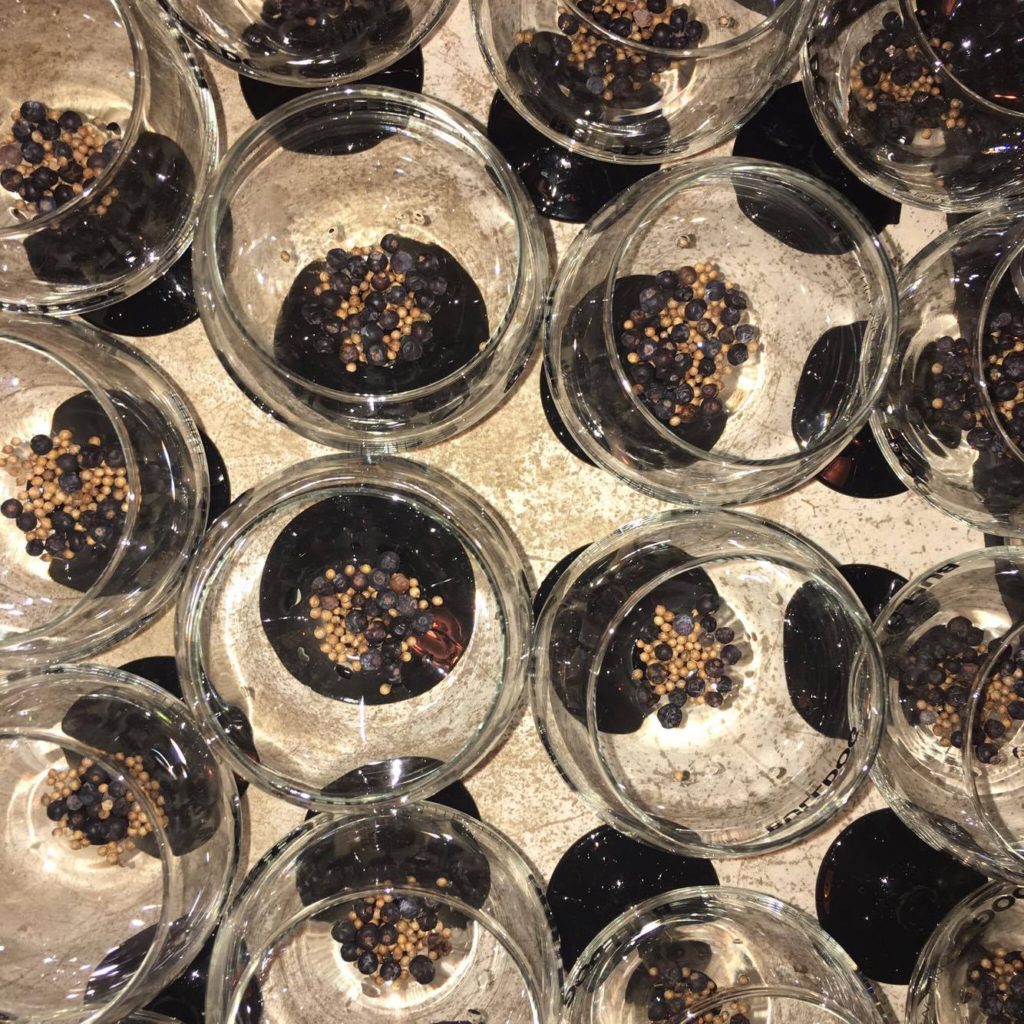
New York has always had a talent for taking a familiar category, turning it on its head, and making it feel new again. The city does this with neighborhoods, restaurant formats, hotel lobbies, and, very clearly, with bars. Few examples show that cycle better than the gin-focused bar. Spend enough time moving through different corners of Manhattan, Brooklyn, and Queens, and the phrase Gin Bar NYC stops sounding like a narrow search term and starts feeling like a map of the city’s drinking culture.
Gin bars in New York are not static institutions built around dusty backbars and polite martinis. They have become shape-shifters. One room leans into Edwardian polish, another treats gin as a bridge to regional cuisine, another folds it into a menu built around saline, herbs, and lower-proof cocktails. Some still honor the classic blueprint, chilled stemware, serious glassware, the quiet confidence of a properly made martini. Others blur the line between cocktail bar, restaurant, and neighborhood hangout.
That constant reinvention is not accidental. It reflects changes in guest taste, real estate pressure, staff creativity, and a wider shift in what people expect when they go out for a drink in New York. Gin, more than almost any major spirit, gives bartenders room to adapt. Vodka can disappear into a build. Whiskey often arrives with strong preconceptions. Tequila and mezcal carry their own momentum. Gin is flexible in a different way. It can be floral, brisk, savory, citrus-driven, resinous, soft, sharp, or almost marine. A city obsessed with novelty was always going to keep finding new uses for it.
Why gin works so well in New York
A spirit survives in New York only if it can speak to different audiences at once. Gin does that unusually well. It rewards classicists and experimenters in the same pour. A guest who wants a textbook martini can get one. A guest who wants something built with shiso, cucumber, fennel pollen, green strawberry, clarified tomato water, or a splash of fino can also be satisfied without the drink feeling contrived.
That range matters because New York bars serve layered crowds. On a given night, the room may include finance regulars who want efficiency, hospitality workers looking for technique, tourists chasing a cinematic version of the city, and local couples who just want a clean drink before dinner. The modern Gin Bar NYC scene succeeds when it can meet all those expectations without becoming generic.
There is also a practical reason gin keeps resurfacing. It pairs well with food. In a city where drinks and dining increasingly overlap, that matters more than it used to. Juniper, citrus peel, coriander, angelica, pepper, and fresh herbs naturally play well with seafood, crudo, roast chicken, oysters, charcuterie, and vegetable-forward plates. Wine bars learned years ago that people like a coherent table. Gin bars have quietly absorbed that lesson and become better restaurants because of it.
The city’s bartenders understand something else too. Gin communicates intention fast. A guest scanning a menu can tell a lot from the way a bar handles its gin section. Are there house martini variations? Is there a Gibson with actual thought behind the onion? Does the menu distinguish between London dry, contemporary citrus-led styles, and softer botanical profiles? Does the bar know how to present tonic, or does it treat a gin and tonic as a throwaway order? Those details separate a concept from a real point of view.
The old image of the gin bar is gone
For a long time, the phrase "gin bar" could conjure a predictable aesthetic. Dark wood. Art deco references. Maybe a Gin Bar NYC little faux-prohibition theater. Menus with several versions of the martini and a handful of gin fizzes. There is nothing inherently wrong with that, and some rooms still do it beautifully, but New York has largely moved beyond the idea that a spirit-specific bar must also look and behave like a period set.
Today, a gin-focused bar may be bright, compact, and almost minimalist. It may sit inside a larger restaurant. It may present itself as a listening bar, a hotel bar, or a modern bistro with an unusually serious backbar. In many cases, the gin identity is expressed less through visual branding and more through decisions in flavor, service, and curation.
That change is healthy. It frees bars from costume. It also helps gin escape the trap of feeling precious. One of the more interesting developments in New York has been the normalization of high-quality gin service in casual settings. You no longer need a hushed room and a pressed jacket to get a thoughtful gin drink. A neighborhood spot with strong ice, a short menu, and a bartender who actually knows what tonic to pair with which bottle can deliver a better experience than a more formal room trading on atmosphere alone.
The martini boom changed everything, but not in the obvious way
It would be impossible to discuss the reinvention of the Gin Bar NYC scene without talking about martinis. The martini is everywhere again, but its return has done more than increase orders for gin stirred with vermouth. It has sharpened standards across the category.
A bar cannot coast on a martini anymore. Guests notice dilution, temperature, garnish quality, and whether the vermouth tastes fresh. They notice glass size. They notice if the drink arrives too full, too warm, or awkwardly balanced. They also notice whether the bar understands the difference between a martini designed for speed and one designed for contemplation.
That pressure has pushed gin bars to get better at fundamentals. Freezer programs are tighter. Vermouth storage has improved. House blends are more common. Garnishes have become more purposeful. The dirty martini has been re-examined from the ground up, with bars adjusting olive brine salinity, experimenting with different olive formats, or moving toward cleaner savory profiles built from pickling liquid, caper brine, or onion tincture.
More importantly, the martini revival has broadened the audience for gin without requiring guests to identify as gin drinkers. Many people now enter through a familiar door. They order a martini because it feels stylish or direct or celebratory. If the bar handles that drink well, the guest becomes more open to a gimlet variation, a Collins with seasonal acid structure, or a delicate aperitif built on gin and aromatized wine. One excellent martini can turn a vodka loyalist into a curious gin customer.
Menus have become more culinary
The smartest gin programs in New York no longer treat botanicals as abstract talking points. They build drinks the way a good kitchen builds a dish, with structure, contrast, and restraint. That shift has made the category feel more current.
Consider how many contemporary gin drinks now lean savory rather than sweet. A decade ago, many gin cocktails in trend-conscious bars arrived with elderflower, cucumber, muddled berries, or aggressive citrus. Those drinks still have their place, but guests now often prefer sharper edges and drier finishes. Bartenders have responded with drinks that borrow from pantry logic: celery, dill, basil seed, white pepper, preserved lemon, tomato, seaweed, green herbs, even subtle lacto-fermented notes. Gin is well suited to that world because its botanical framework can support these ingredients rather than flattening them.
This culinary approach also helps bars distinguish themselves in a crowded market. A spirit list alone is not enough. Most serious bars can stock a range of bottles. What matters is interpretation. If one room builds a gin highball around grapefruit pith and tarragon while another offers a martini with smoked onion brine and a whisper of dry sherry, each creates a signature without resorting to gimmickry.
There is a discipline to doing this well. Savory can quickly become muddy. Herbal can become medicinal. A bartender with experience knows that the best gin drinks often reveal just one or two unusual notes at a time, not six. New York’s strongest bars have become more confident about editing. That confidence is part of what keeps the scene moving forward.
Tonic finally got the respect it deserved
For years, tonic was the neglected half of one of the most popular mixed drinks in the city. That has changed. Not everywhere, of course. Plenty of bars still pour whatever is easiest. But in better gin-focused spaces, tonic is treated as an ingredient with texture, bitterness, sweetness, and aroma, not just bubbles.
This seems like a small point until you taste a well-built gin and tonic next to an indifferent one. The difference is immediate. Carbonation level matters. So does quinine intensity, sugar content, citrus oil, serving temperature, and ice quality. The garnish should support the gin rather than clutter the glass. A rosemary branch looks impressive but can dominate the nose. A heavy lime wedge can swamp a more delicate spirit. Grapefruit peel can be perfect with one gin and completely wrong with another.
The renewed attention to tonic has helped gin bars broaden their appeal. Not every guest wants a stirred spirit-forward drink. A bright, long gin and tonic served in proper glassware can satisfy the same desire for precision while feeling lighter and more social. In summer, especially, that matters. A bar that understands this can move between high-concept cocktails and simple service without losing credibility.
Local distilling gave the category more texture
Another reason the gin bar scene keeps changing is that the supply side changed with it. As regional distilling matured, bars gained access to more domestically produced gins with distinct identities. That did not replace imported benchmarks, and it should not have. London dry still anchors the category for good reason. But a broader field of bottles gave buyers and bartenders more ways to shape a house style.
Some newer American gins lean heavily into citrus and fresh herbs. Others push savory botanicals or softer floral notes. For a New York bar, that variety is useful. It allows the martini gin, the highball gin, and the menu gin to be separate choices rather than one compromise bottle forced into every role. It also creates space for staff education. When bartenders can describe not just brand names but actual flavor behavior, guests start to trust recommendations in a more meaningful way.
There is a caution here. Local does not automatically mean better. Not every small-batch gin deserves a placement, and some bars overreach when they stock too broadly without a coherent purpose. A cluttered backbar can confuse more than it excites. The strongest programs edit carefully. They give each bottle a job.
Atmosphere changed as much as the liquid did
A decade ago, many cocktail bars in New York still wore seriousness as a badge. There was often a subtle pressure to order correctly, speak the language, and appreciate the canon. That attitude has softened in the best gin bars, and the scene is better for it.
Hospitality now plays a larger role in reinvention than menu development alone. Guests want expertise, but they also want ease. The modern gin bar often succeeds by being generous with knowledge and light with ego. A bartender might ask a few targeted questions, whether the guest likes bracing or rounded drinks, olives or twists, bone dry or slightly aromatized, then guide them without a lecture. That style of service opens the category to more people.
Design follows the same logic. The best rooms are often less dogmatic about what a gin bar should look like. Some are intimate and clubby. Others are airy and social. Some pair serious drinks with louder music and looser energy than old-school cocktail culture would have allowed. That evolution matters in New York, where bars survive not just on quality but on repeat business. If a place feels too performative, people come once. If it feels genuinely pleasurable, they come back on a Wednesday.
The economics force creativity
Romantic explanations only go so far. Reinvention also happens because New York is expensive, competitive, and unforgiving. Bars need to stand out, but they cannot rely on novelty alone. Rent, labor, ingredient costs, and licensing realities push operators toward concepts that are adaptable and efficient. Gin happens to be useful in that environment.
It works across price points. A bar can offer an accessible gin and tonic, a premium martini, and a signature cocktail built around the same core category while maintaining a coherent identity. Gin also integrates well with lower-ABV ingredients, fortified wines, aperitifs, and seasonal produce, which helps bars create menus that feel sophisticated without requiring every drink to be expensive or boozy.
The pressure of economics has also encouraged bars to think harder about daypart and audience. A room that once functioned primarily as a destination cocktail spot may now need to work as a pre-theater stop, a date-night restaurant bar, and a late-evening neighborhood fixture. Gin’s versatility makes that easier. Few spirits can move so naturally from a low-key afternoon spritz to a midnight martini.
Social media changed the presentation, but not always for the better
No modern bar trend exists outside the Gin Bar NYC camera roll. Gin bars in New York have adapted to this in obvious ways, cleaner glassware, more considered garnishes, stronger visual identity, but the most durable reinventions go deeper than appearance.
The temptation is to build drinks that read instantly on a screen. Bright colors, oversized garnishes, dramatic coupes, elaborate stems. Those can bring attention, and sometimes attention is necessary. But gin, perhaps more than some other categories, punishes empty spectacle. A drink can look pristine and still taste confused. Guests return for balance, not for garnish architecture.
Where social media has been genuinely useful is in broadening the visual language of the gin bar. It has made guests more receptive to seeing gin outside its old templates. A clear highball in a slim glass, a pale green aperitif in a wine glass, a freezer-cold martini with a single onion, these images now travel. They signal taste, mood, and setting as much as category. That has helped the scene feel contemporary without needing to shout.
The best bars know what not to change
For all the experimentation, the strongest gin bars in New York share a conservative instinct where it counts. They protect the fundamentals. Ice remains excellent. Citrus is fresh. Glassware is cold when it needs to be cold. Staff can explain a drink in plain language. Vermouth is handled properly. House cocktails may get adventurous, but the baseline classics remain reliable.
That restraint is important because reinvention can become self-conscious. Not every menu needs a milk-washed gimlet with house-distilled pine hydrosol. Not every martini needs a story. Some nights, a guest just wants something very cold, very clean, and exactly right. Bars that forget that usually burn bright and fade. Bars that remember it earn loyalty.
If there is one lesson the Gin Bar NYC scene keeps teaching, it is that evolution works best when it grows from hospitality rather than trend forecasting. New ingredients matter. Better spirits matter. Design and branding matter. But the bars people talk about a year later are usually the ones that understood the room. They sensed whether the moment called for polish, wit, restraint, generosity, or a little theater. They used gin because it gave them range, not because it gave them a gimmick.
Where the scene is likely headed next
The next phase of reinvention will probably be quieter than the last. That is not a sign of decline. It is a sign of maturity. New York bars are moving toward refinement rather than shock value. Expect more precise martini programs, more thoughtful savory builds, more crossover between cocktail bars and kitchens, and more attention to texture, temperature, and pacing.
Low-ABV gin serves will likely continue to expand, especially as guests look for ways to stay out longer without drinking as heavily. Freezer cocktails will keep evolving. So will the use of saline, acid adjustment, and subtle savory modifiers, not because they are trendy tricks, but because they help deliver consistency and clarity. The bars that do this best will make it feel effortless.
There is also room for a more global perspective on gin in New York. As guests become more curious and bartenders draw from broader culinary references, gin drinks may continue to absorb ideas from Mediterranean, East Asian, Latin American, and Nordic flavor traditions. That does not mean fusion for its own sake. It means using gin’s flexibility to create drinks that feel rooted, specific, and current.
What seems least likely is a return to the narrow idea of what a gin bar must be. New York has already moved past that. The category is too useful, too expressive, and too adaptable. A great gin bar can be glamorous, casual, food-driven, minimalist, maximalist, classic, or sharply modern. It can thrive in a polished hotel, on a busy restaurant corner, or on a side street where regulars know exactly which stool they want.
That is why the scene keeps reinventing itself. Not because gin changes every year, but because New York does. The bars that last are the ones that let the city’s energy pass through the bottle and into the glass, then sharpen it with judgment. When that happens, the result is more than a trend. It is a living category, always familiar, never settled.
The Winslow
243 E 14th St
New York, NY 10003, United States
Phone: +1 212-777-7717
FAQ About Gin Bar NYC
How to do a gin tasting?
Start with a small pour and gently smell the gin before taking a small sip. Notice its juniper, citrus, floral or spice notes, then compare how the flavor changes with a little water or tonic. At a gin bar, ask the bartender to explain the selection and botanical pairings.
How to make the best tasting gin and tonic?
Use chilled gin, fresh tonic and plenty of ice. A common starting ratio is one part gin to two parts tonic, adjusted to taste. Choose a garnish that complements the gin's botanicals and stir gently to preserve the bubbles.
What is the smoothest tasting gin?
There is no single smoothest gin for everyone. Perceived smoothness depends on the botanical recipe, alcohol strength, serving temperature and mixer. Describe whether you prefer citrus, floral, herbal or juniper-forward flavors so a bartender can suggest a suitable style.