How to Personalize an Event at a Bar With Private Room NYC
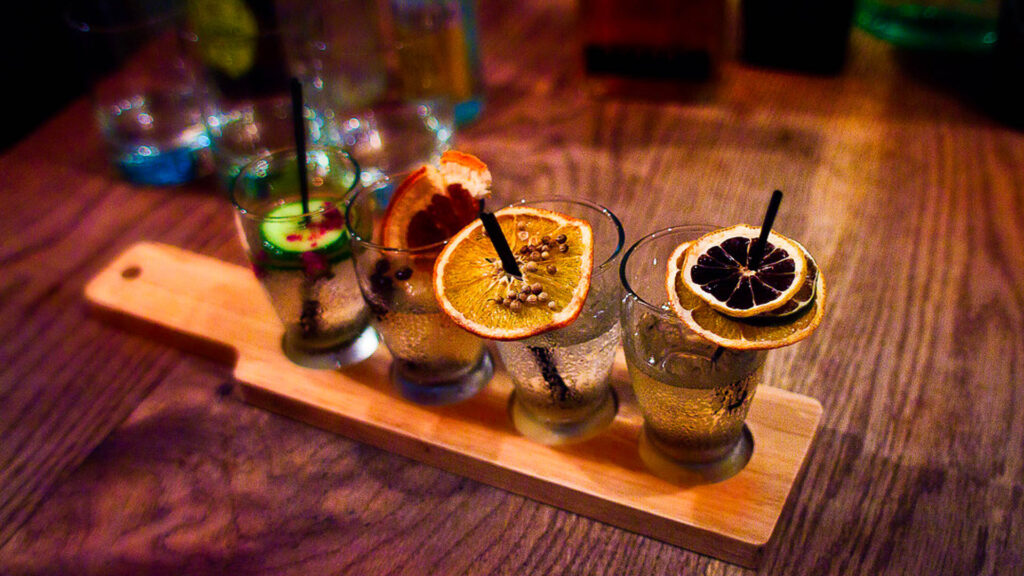
A private room at a bar gives you something most event spaces struggle to deliver at the same time: atmosphere, flexibility, and a built-in social ease. People already know how to behave in a bar setting. They relax faster, conversations start without effort, and the room carries some of the energy for you. That matters whether you are planning a birthday dinner, a client mixer, an engagement party, a retirement celebration, or a company holiday event.
Still, booking a Bar With Private Room NYC is only the first step. Privacy alone does not make an event feel personal. The difference between a generic gathering and one people remember usually comes down to dozens of small choices, each one shaped around the guest list, the purpose of the night, and the mood you want people to carry home.
The good news is that personalization does not always require a large budget or a complete room makeover. In practice, the most effective changes are often modest and intentional. A room can feel tailored with the right seating plan, a smart food and drink selection, thoughtful sound control, and details that reflect the host rather than a template.
Start with the reason people are gathering
Before choosing decor, cocktails, or entertainment, pin down what the event is supposed to feel like. That answer affects almost every later decision. A networking event should keep people moving and talking. A family milestone should make room for toasts, photos, and a few quiet conversations between generations. A team celebration might need a balance between polished hospitality and enough informality to let people unwind.
I have seen hosts spend most of their planning energy on visual details, then realize too late that the room layout worked against the event itself. One birthday host had beautiful custom signage and color-coordinated florals, but the only available standing area was jammed near the entrance, which created a bottleneck all night. Guests spent the first hour waiting for others to move instead of connecting. Another host skipped almost all decor but asked the venue to create a slow drink service cadence, hold back appetizers until the whole group arrived, and leave one wall open for a photo moment. The event felt effortless because the choices supported the way the evening needed to unfold.
When you are evaluating a Bar With Private Room, ask yourself a simple question: what should guests be doing most of the night? Talking in small clusters, mingling widely, sitting for a meal, watching a presentation, dancing, or moving between all of those? Once you answer that, personalization becomes more practical and less abstract.
Choose the right room, not just the right bar
This sounds obvious, but many people choose the venue based on the main bar’s reputation rather than the private room’s actual usability. In New York, that can be a costly mistake. A celebrated cocktail bar may have a back room that looks great in photos but feels cramped, dark, or awkward for your group size. On the other hand, a neighborhood spot with a well-managed event room may give you far more control over music, pacing, and guest comfort.
A smart site visit reveals details that listings rarely show clearly. Look at where coats will go. Check whether guests need to pass through the main bar to reach the room. Notice the bathroom access. Ask how much Bar With Private Room NYC sound spills in from the rest of the venue. If you are planning speeches, see where Bar With Private Room NYC people can stand and still be seen. If older relatives are attending, test the seating yourself. Bar stools can be fine for a casual after-work gathering, but they become tiring in a two or three hour event.
This is where the phrase Bar With Private Room NYC becomes more than a search term. In a city where square footage is tight and layouts can be quirky, the private room has to work hard. A great room in Manhattan may hold 35 people beautifully for a cocktail-style celebration, while the same room may feel strained with 20 seated guests and a buffet. Capacity numbers alone do not tell the full story. You need to understand how the room performs in real conditions.
Personalization begins with the guest list
The strongest events are designed for real people, not for a vague idea of a crowd. Think beyond the number of attendees and look at the mix. Are guests close friends who already know one another, or are you bringing together several circles? Will there be colleagues and family in the same room? Are there a few key VIPs whose comfort or preferences should shape the setup?
One of the simplest ways to personalize an event is to build around what your guests actually enjoy. If your crowd loves conversation, keep the music lower and create more lounge-style seating. If they are food-driven, spend less on decor and more on distinctive passed bites or a small tasting station. If the event includes people from different age groups, balance the menu and soundtrack so nobody feels like an afterthought.
This is also the point to think about timing. New Yorkers often arrive in waves, especially on weekday evenings. If the guest list includes office workers coming from different neighborhoods, the event may need a softer opening and a stronger middle, rather than one dramatic start time. Staggered food service can help with that. A welcome drink and a first round of snacks can absorb early arrivals while giving later guests a chance to settle in before the room reaches full energy.
Build the room around movement and mood
Rooms create behavior. A narrow room with high-tops encourages circulation. A room with perimeter banquettes can make guests settle into smaller conversations and stay there. Neither is wrong, but each creates a different social pattern.
If you want personalization people can feel immediately, focus on how guests move through the space. That may mean leaving one side of the room visually open, shifting a few tables, or creating a clear focal point for cake, speeches, or a short performance. Work with the venue manager early. Many bars are more flexible than clients assume, especially if requests are discussed before the day of the event.
These are the room choices that usually have the biggest effect:
- A defined welcome area, even if it is only a small table with place cards, favors, or a signature drink sign.
- Mixed seating, with some places to perch and some to fully sit, which helps different personalities settle in.
- One visual anchor, such as a cake display, floral installation, branded sign, or photo wall.
- Clear traffic paths between the bar, seating, and restrooms, so the room does not feel congested.
- A dedicated spot for bags, coats, or gifts, which quietly removes clutter from the social space.
None of this needs to look heavily produced. In fact, overdesign can make a bar feel less comfortable. People are there to connect, not to admire a set. The best personalized rooms still feel like bars, just bars that happen to belong to your event for the night.
Use food and drink to tell a story
Custom menus are one of the easiest ways to make a Bar With Private Room feel distinctive. Done well, they do more than feed people. They communicate something about the host, the occasion, or the city itself.
For drinks, that might mean two signature cocktails rather than a long branded menu nobody reads. One could lean spirit-forward, one lighter and citrusy. If the event honors a couple, a founder, or a retiree, name the cocktails with some restraint. Inside jokes can be charming, but only if most guests understand them. Otherwise, clever names become dead space on a menu card.
Food personalization works best when it solves a real need. If your group will be standing for much of the evening, choose bites that are easy to eat with one hand and do not drip. If you expect people to linger, include at least one substantial item early so the drinks do not outpace the food. If the occasion has cultural or family significance, ask whether the kitchen can nod to that through one or two dishes, even if a full custom menu is not possible.
I once attended a small promotion party where the host skipped formal catering and instead worked with the bar to pass elevated versions of the foods he and his team used to order during late-night deadlines: miniature grilled cheese, tomato soup shooters, and truffle fries in paper cones. It was inexpensive compared with a bespoke banquet menu, but everyone remembered it because it felt specific.
That is the real standard for personalization. Not expensive, specific.
Sound matters more than most hosts expect
Guests can forgive many things. They rarely forgive bad sound. If people have to shout all night, the event feels harder than it should. If speeches are muddy or music drowns out conversation, even good hospitality loses impact.
Private rooms vary wildly in acoustics. Brick walls, low ceilings, and hard surfaces can create echo. Music from the main bar may bleed in. Some spaces let you plug into the sound system, others offer only limited volume control. Ask these questions before you sign anything. If speeches, presentations, or a playlist matter to you, test them.
A personalized event often has a distinct sound profile. A corporate appreciation gathering may benefit from warm, low-volume background music that never competes with networking. A 30th birthday may need a slow build, with the first hour designed for arrivals and conversation, then more energy later in the evening. A rehearsal-adjacent gathering or engagement event might need room for toasts without turning the night into a formal program.
If the room allows your own playlist, spend time on transitions, not just songs. The playlist should move with the event. Too many hosts hand over a list of favorites without thinking about pacing, and the room ends up fighting itself. Early music should help people settle in. Mid-event music should create energy. Late music can become more playful, but only if it still fits the audience.
Small visual choices have outsized impact
You do not need to drape every wall to create a customized setting. Bars already come with built-in character, which is part of the appeal. The key is to add enough to claim the room as yours without smothering what made you book it.
Florals, candles, menu cards, and printed cocktail signs go a long way. So does color discipline. When a host picks one or two tones and repeats them in linens, flowers, paper goods, or dessert elements, the room reads as intentional. When six trends show up at once, even a beautiful room can feel visually noisy.
Photos can be especially effective, but they need editing. A handful of well-chosen framed images or a tight photo display often lands better than covering every surface. If the event celebrates a person or a milestone, choose images that spark conversation across the room, not just sentimental value for the host. The best photo selections invite stories.
Lighting deserves special attention. Many private rooms in NYC bars are darker than they appear online. That can be flattering for cocktails and terrible for a luncheon, product display, or photo-heavy celebration. Ask what can be adjusted. Supplemental candles or low-profile lamps can warm the room, but they should never make guests strain to see menus or one another.
Add one interactive element, not five
When hosts worry a room will feel too static, they often overcorrect. A photo booth, trivia cards, a tasting flight, custom favors, branded cocktail stirrers, live music, and a guest book can quickly turn a bar event into a cluttered experience.
Personalization is stronger when it is selective. Choose one interactive feature that suits the group. If guests love stories and shared history, a memory jar or a short toast prompt may be enough. If they are playful, a compact photo setup with good lighting can work. If the group is food and beverage oriented, a guided whiskey or cocktail tasting can become the centerpiece.
This is one of the clearest areas where restraint helps. People attend bar events to spend time with one another. The element should support that, not distract from it. The room itself is already an attraction if the atmosphere is right.
Work with the venue team like a partner
A well-run Bar With Private Room often has staff who know exactly what makes an event flow and what causes avoidable friction. Listen to them. They have seen groups arrive late, speeches run long, cakes melt, DJs overpower rooms, and open bars become inefficient because the menu was too broad. Their advice is usually grounded in pattern, not preference.
The most successful hosts I have seen treat the manager or event coordinator like a collaborator. They ask practical questions early: When should decor arrive? Can the room be accessed before guests come in? Is there a food minimum, beverage minimum, or both? What happens if the final headcount shifts slightly? Can the bar pre-batch signature drinks for speed? Where can gifts or branded items be stored?
When you communicate clearly, the staff can help personalize the event in subtle but important ways. They can greet key guests by name, time the cake service so it does not interrupt momentum, and suggest service formats that match your crowd. In many cases, these operational details shape the guest experience more than expensive upgrades do.
Think through pacing, not just programming
A personalized event has rhythm. Guests should feel carried through the evening without noticing the mechanics. That takes planning.
A common mistake is stacking everything at once. Guests arrive to loud music, a full food spread, speeches waiting to happen, and an overloaded bar menu. The room peaks too early, then flattens out. Better pacing creates layers. Let arrivals be easy. Give people a drink and a few bites. Allow conversation to build before introducing a toast, dessert reveal, or brief activity. If the event runs more than three hours, think about a second wind, perhaps a fresh food pass, a music shift, or a well-timed celebratory moment.
This matters even more in New York, where guests are often coming from work, subways, traffic, or earlier commitments. A private room should feel like a release, not another obligation with a rigid timeline. Good pacing respects the reality of the city while still making the event feel curated.
Budget for what guests actually notice
Hosts often ask where personalization dollars make the biggest difference. The short answer is this: spend on comfort, service, and one or two memorable custom details. Pull back on things that photograph well but do little in person.
Guests notice when drinks are served quickly, when the room is not overcrowded, when there is enough food, when the music level is right, and when the host seems relaxed enough to be present. They also notice one meaningful touch, such as a signature cocktail tied to the occasion, a thoughtful menu card, or a warm welcome display.
They rarely care whether every napkin is monogrammed.
If your budget is tight, direct it toward a room with better staffing or stronger food and beverage quality rather than elaborate decor. A simpler event in the right Bar With Private Room NYC will almost always outperform a heavily styled event in a room that feels awkward or under-supported.
Personal touches that feel polished, not forced
Some of the best ideas are also the least flashy. Personalized escort cards can double as conversation starters if they include a short memory, milestone, or note. A menu can reference a neighborhood, a shared trip, or a family tradition without becoming sentimental overload. A host can choose arrival music from a meaningful era, then transition into a broader crowd-friendly mix later.
If the event has a professional purpose, personalization can still be tasteful. A client gathering in a private bar room might include a custom cocktail named for a campaign theme, but the rest of the evening should stay elegant and subtle. Internal team events can be more playful, though they still benefit from editing. The line between thoughtful and gimmicky is thinner than people think.
For more intimate social events, there is often room for a stronger emotional layer. A retirement party can display a few photos from different chapters of a career. An anniversary event can work in favorite wines or dishes collected over time. A birthday can highlight personal favorites without turning into a personality exhibit. The goal is to make guests feel closer to the occasion, not buried under information about it.
The host’s presence is part of the personalization
There is one factor that no venue package can provide: the host’s own attention. Guests feel the difference between an event designed to impress and one designed to welcome. A private room helps, but the tone still starts with the person or team inviting everyone in.
That means planning enough in advance that you are not troubleshooting all night. Confirm details early. Finalize the menu. Walk the room mentally from arrival to departure. Delegate one person to handle venue communication during the event if needed. The more operational stress you remove from yourself, the more available you are to greet guests, connect circles, and set the mood.
And that, more than any decor piece, is what makes an event feel personal.
A Bar With Private Room gives you a framework. The room offers privacy, atmosphere, and a natural social setting. Personalization comes from the choices layered into that framework, the way the space reflects the people in it, the way the service supports the occasion, and the way the evening unfolds with intention. When those pieces align, the event does not just look customized. It feels unmistakably yours.
The Winslow
Address: 243 E 14th St, New York, NY 10003
Phone number: +12127777717
FAQ About Bar With Private Room NYC
Which bars in NYC offer private rooms?
Many bars in New York City offer private and semi-private rooms for parties and events, ranging from hidden basement speakeasies to upscale lounge spaces. Top options include The Back Room on the Lower East Side, Dear Irving Gramercy, Pebble Bar in Midtown, Mister Paradise in the East Village, and The Winslow in the East Village.
What is a private room in a pub called?
A small, private seating area or partitioned booth in a traditional pub is most commonly called a snug. Larger private rooms used for events, parties, or dining are typically referred to as private dining rooms, function rooms, or back rooms.
How much does a 2 hour open bar cost?
A 2-hour open bar generally costs between $15 and $45 per person, depending heavily on the quality of alcohol you choose. For a standard group of 100 guests, this translates to an overall cost of $1,500 to $4,500 before taxes, setups, and staff gratuities.