Why a Gin Bar Is Ideal for After Work Drinks
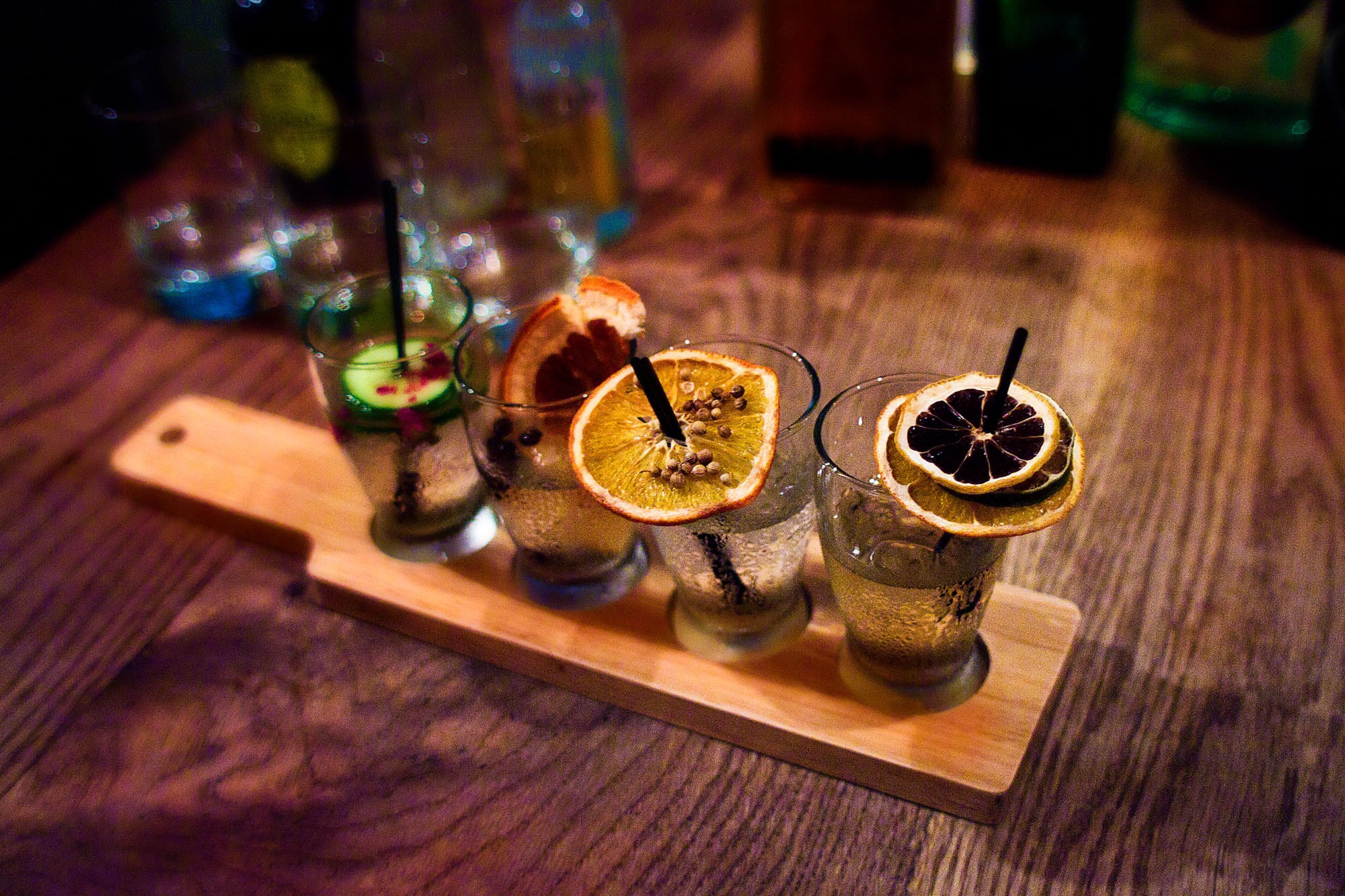
There is a reason certain places fill up between 5:30 and 7:30 while others never quite catch the after-work crowd. People leaving the office are not usually looking for a full night out. They want a clean break from the day, a drink that feels earned, and a setting that lets them shift gears without effort. A good gin bar does this unusually well.
That may sound specific, even niche, especially in cities where wine bars, pubs, cocktail lounges, and hotel bars all compete for the same hour. Yet in practice, a gin bar often lands in the sweet spot. It tends to offer the polish of a proper drinks venue without the heaviness of a late-night cocktail den. It feels social without becoming rowdy too early. It gives people range, from a brisk gin and tonic before the train home to a more considered martini when the team has actually hit a milestone worth marking.
I have seen this play out in business districts, neighborhood high streets, and mixed-use developments where office workers blend with local residents. When a gin bar is run properly, it suits the psychology of after-work drinking better than most concepts do. It is flexible, civilized, and, importantly, easy to enjoy without overcommitting the evening.
The after-work drink has its own rules
After-work drinking sits in its own category. It is not dinner, though food may matter. It is not a weekend session, and it is not a formal client event, even if colleagues or customers are involved. The best venues understand that this time of day comes with competing needs.
Some people want to talk through the day while details are still fresh. Others want the opposite. They need distance from meetings, deadlines, and screens. Most want a place where they can arrive as they are, office clothes slightly creased, laptop still in the bag, without feeling underdressed or out of place. They also want a venue that reads the room correctly. Too stiff, and it feels like another work setting. Too noisy, and people leave after one drink because conversation turns into effort.
A gin bar often gets this balance right because the product itself encourages moderation and pace. Gin is versatile, aromatic, and suited to drinks that can be served quickly and well. That matters more than people sometimes admit. At 6 p.m., few things are more valuable than a first round that arrives promptly and tastes like someone cared.
Gin suits the hour better than many spirits
Whisky bars have depth and gravitas, but they can feel contemplative in a way that does not always suit a mixed group at the end of a long day. Wine bars can be excellent, but they often nudge people toward bottles, shared decisions, and a longer stay than some want. Beer-led pubs are familiar and dependable, though not everyone wants pints, especially midweek.
Gin occupies lighter territory without becoming flimsy. It has structure and character, but it also refreshes. A gin and tonic, a Tom Collins, a Southside, a Martini, or a simple gin highball can all feel appropriate at the same table. That flexibility makes group ordering much easier. One colleague may want something dry The Winslow Gin Bar and direct, another something citrus-forward, another a low-key drink stretched with soda and plenty of ice. A good gin bar can handle all three without making any of them feel like the odd choice.
This matters because after-work groups are rarely uniform. You may have the sales director celebrating a signed contract, the project manager who wants one drink and home by 8, and the new hire who is still figuring out the office dynamic. Gin accommodates that spread. It offers enough interest for people who care about drinks, but it remains accessible to those who simply want something reliable.
Atmosphere counts more than novelty
The strongest gin bars are not built on novelty. They are built on atmosphere and discipline. Lighting is usually softer than a café but brighter than a club. Music tends to support the room rather than dominate it. Seating often encourages both small groups and pairs, which matters because after-work drinking is full of shifting configurations. A group of six becomes two threes, then a pair heads off for dinner while others stay for another round.
Many gin bars are also physically smaller than broad-format bars, and that can work in their favor. Smaller rooms gather energy faster. A place with thirty to fifty people in it can feel lively and sociable without becoming chaotic. At that hour, that is exactly what many guests want. They want proof that the day is over and life is happening, but they do not want to shout across a sticky table.
There is also a visual quality to a well-designed gin bar that suits the occasion. Shelves of bottles, proper glassware, fresh citrus, polished metal, and generous ice all signal competence. You do not need theatrics at 6 p.m. You need confidence. A venue that looks ordered and intentional has a calming effect on guests who have spent all day managing disorder.
The menu makes social decisions easier
One of the underrated strengths of a gin bar is menu logic. Good ones make ordering intuitive. You do not need to decode an encyclopedic cocktail list or sit through a five-minute explanation of house infusions. Usually, there is a core set of serves, a few seasonal options, and enough clarity that everyone can decide quickly.
That matters for work groups because nobody wants the first ten minutes to disappear into awkward indecision. If the menu is too sprawling or too self-conscious, ordering becomes a performance. A gin bar, when sensible, avoids that trap. Even guests with limited spirit knowledge understand the basics. They know they can choose a classic gin and tonic, perhaps with a suggested garnish, or step slightly outward into something more expressive.
From a service perspective, this also keeps the pace moving. Bartenders can deliver quality at volume because many gin drinks are elegant without being laborious. That is a commercial advantage for the venue, of course, but it is also a guest advantage. Fast service preserves momentum. A table that gets drinks quickly settles sooner, relaxes sooner, and tends to stay in a better mood.
It encourages conversation rather than excess
Not every after-work drink should turn into a late night, and one of the reasons a gin bar works so well is that it does not push too hard in either direction. You can have one excellent drink and leave satisfied. You can also stay for two or three without the evening feeling derailed. That middle ground is harder to create than it looks.
Gin-based drinks often support conversation because they are fragrant, crisp, and paced naturally. People tend to sip them, discuss them briefly, and move on to the actual reason they are there, which is each other. That may sound small, but the best bars facilitate interaction without becoming the main event.
There is also a practical element. Many after-work drinkers want a venue where they can remain sharp enough to get home, answer one last message if needed, or wake up functional the next morning. A well-made gin drink can feel indulgent without the heaviness some sweeter cocktails bring. Of course, any alcohol can be overdone, but the format of a gin bar often leans toward measured enjoyment rather than blunt force.
A gin bar can handle different kinds of company
Not all after-work drinks are the same, and this is where a gin bar proves its value. It can host several versions of the occasion without straining its identity.
A team debrief after a difficult week works because the space is relaxed but still put together. A client catch-up works because the setting feels polished and intentional. A quiet drink with one trusted colleague works because the room usually allows actual conversation. Even solo decompression, laptop put away at last, can feel comfortable at the bar if the staff understand how to leave people enough space.
The best venues also know how to read mixed professional boundaries. This is important. After-work drinking involves subtle social navigation. People want to be warm without being sloppy, open without oversharing. A gin bar, by its nature, often supports that level of restraint. It is sociable, not unruly. Stylish, not showy. Those distinctions matter more in professional life than many operators realize.
Food, if handled well, makes the stop more useful
Food can strengthen a gin bar’s appeal, though it needs judgment. A full dinner menu is not always necessary. In fact, overreaching can slow the room down and blur the concept. What works better is a sharp selection of things people actually want at that hour: good olives, salted nuts, quality crisps, charcuterie, cheese, flatbreads, or a few hot small plates that arrive without fuss.
I have watched bars lose the after-work crowd by treating food as an afterthought. If drinks are excellent but there is nothing to absorb them, people leave earlier than they intended. On the other hand, a compact, well-executed food offer can keep a table for an extra round and turn a one-drink stop into a regular habit.
There is also a social advantage to small plates in this setting. They remove pressure. Nobody has to commit to dinner, but nobody is drinking on an empty stomach either. For office groups, that often feels like the right level of care.
The best gin bars understand service at this hour
Service style can make or break after-work trade. Staff need to be present, quick, and accurate, but not intrusive. People arriving from work often carry low-grade fatigue. They are less patient with friction than they would be on a Saturday night. Slow greetings, muddled orders, and overlong waits for a second round are remembered.
In a strong gin bar, service tends to be streamlined. Staff know the core products, can recommend a gin based on a guest’s taste in a sentence or two, and understand when to step in and when to vanish. That is a trained skill. It also creates trust, which is why regulars return.
There is a particular professionalism to bartenders who can guide without lecturing. Someone says they do not usually drink gin. Instead of launching into a monologue about botanicals, the bartender asks what they do enjoy and steers them toward something clean, citrus-led, or lightly herbal. That kind of service turns a category skeptic into a repeat guest. It also makes group dynamics smoother, since nobody feels judged for knowing less than the resident enthusiast.
Why location matters, and why gin bars often choose well
Many successful gin bars sit in the kinds of places that naturally support after-work traffic. They are near offices, transit routes, hotels, or mixed residential-commercial areas. This is not accidental. Gin bars depend on repeat custom as much as destination appeal, so convenience matters.
For after-work drinks, a five to ten minute walk is ideal. Longer than that, and inertia starts to win. People head home instead. A conveniently located gin Gin Bar bar catches people at the exact moment they are deciding what the evening becomes. That is powerful positioning.
Once inside, the venue then needs to justify the stop. Comfortable seating, coat hooks, good acoustics, and enough standing space near the bar all matter. These are not glamorous details, but they are often what separates the places people suggest from the places they vaguely remember.
There are trade-offs, and they are worth acknowledging
A gin bar is not automatically the right answer for every team or every city. In some markets, the category can drift toward preciousness. Menus become too technical. Staff become too evangelical. Prices rise beyond what people want to spend on a Tuesday. If that happens, the venue stops feeling like an easy after-work option and starts feeling like a special-occasion destination.
There is also the question of taste. Not everyone likes gin, and some people still associate it with one bad drink from years ago. A smart gin bar accounts for this. It offers at least a handful of non-gin cocktails, good wine by the glass, quality beer, and thoughtful alcohol-free serves. A place that insists on category purity can narrow its own appeal at the exact time it should be welcoming a broad crowd.
Here is where the strongest operators tend to get it right:
- They keep the core identity clear without making it exclusive.
- They price the first drink at a level that feels repeatable.
- They train staff to recommend, not preach.
- They treat sound, lighting, and seating as seriously as the drinks.
- They remember that after-work guests value ease as much as excellence.
Those points sound obvious, but they are not common enough. The difference between a good gin bar and a forgettable one usually lies in execution, not concept.
Gin bars are especially good at creating regulars
After-work trade is built on habit. People rarely choose a venue from scratch every week. They rotate through a small set of places that have proven dependable. Gin bars are well suited to becoming one of those places because they allow for small variations within a familiar framework.
A regular can order the same gin and tonic every Wednesday and still feel looked after if the bartender remembers the preferred garnish or the extra-cold glass. Another regular may try a different gin each visit and enjoy the sense of discovery without risk. That balance between comfort and novelty is commercially valuable and socially satisfying.
Over time, the bar becomes part of the working week’s rhythm. One round after a monthly review. A quick Friday drink before everyone scatters. A quiet catch-up after a difficult client call. These occasions may be modest, but they are often the ones that shape workplace culture more than grander events do. People bond through repetition, not just celebration.
The non-alcoholic angle matters more than it used to
One notable shift in recent years is the expectation of credible alcohol-free options. This is another area where a gin bar can perform well. Botanical profiles translate naturally into non-alcoholic serves, and the ritual of the drink remains intact. A guest who is not drinking can still have a proper glass, thoughtful garnish, and a sense of participation.
That matters in professional groups. Not everyone drinks, not everyone drinks every day, and some people are simply pacing themselves. When a venue treats non-alcoholic choices as equal in care rather than secondary in status, the whole group relaxes. Nobody feels singled out. Nobody is stuck with a sugary soft drink while everyone else has something more considered.
For after-work occasions, that inclusivity is not just nice to have. It is part of modern hospitality.
What makes the experience memorable
People rarely remember every ingredient in a drink they had after work. They remember how quickly the tension left their shoulders. They remember whether they could hear the person across from them. They remember whether the second round came at the right moment and whether the room made them want to linger or move on.
A good gin bar excels in these details. The drinks are fragrant, cold, and balanced. The room has energy without aggression. The service is polished without stiffness. The setting encourages exactly the kind of social contact most people want after a long day, enough conversation, enough comfort, enough pleasure, and not too much of anything.
That is why the concept works so consistently. It is not merely about gin. It is about a style of hospitality that matches the after-work mood better than many venues do. It offers clarity when people are tired of making decisions, refinement without formality, and a simple way to mark the shift from obligation to choice.
For anyone deciding where to meet colleagues, decompress with a friend, or salvage a weekday from feeling purely functional, a well-run gin bar is rarely a bad call. More often, it is the exact right one.
The Winslow
243 E 14th St
New York, NY 10003, United States
Phone: +1 212-777-7717
FAQ About Gin Bar
How to do a gin tasting?
Start with a small pour and gently smell the gin before taking a small sip. Notice its juniper, citrus, floral or spice notes, then compare how the flavor changes with a little water or tonic. At a gin bar, ask the bartender to explain the selection and botanical pairings.
How to make the best tasting gin and tonic?
Use chilled gin, fresh tonic and plenty of ice. A common starting ratio is one part gin to two parts tonic, adjusted to taste. Choose a garnish that complements the gin's botanicals and stir gently to preserve the bubbles.
What is the smoothest tasting gin?
There is no single smoothest gin for everyone. Perceived smoothness depends on the botanical recipe, alcohol strength, serving temperature and mixer. Describe whether you prefer citrus, floral, herbal or juniper-forward flavors so a bartender can suggest a suitable style.