Why the Gin Bar Experience Continues to Captivate Drink Lovers
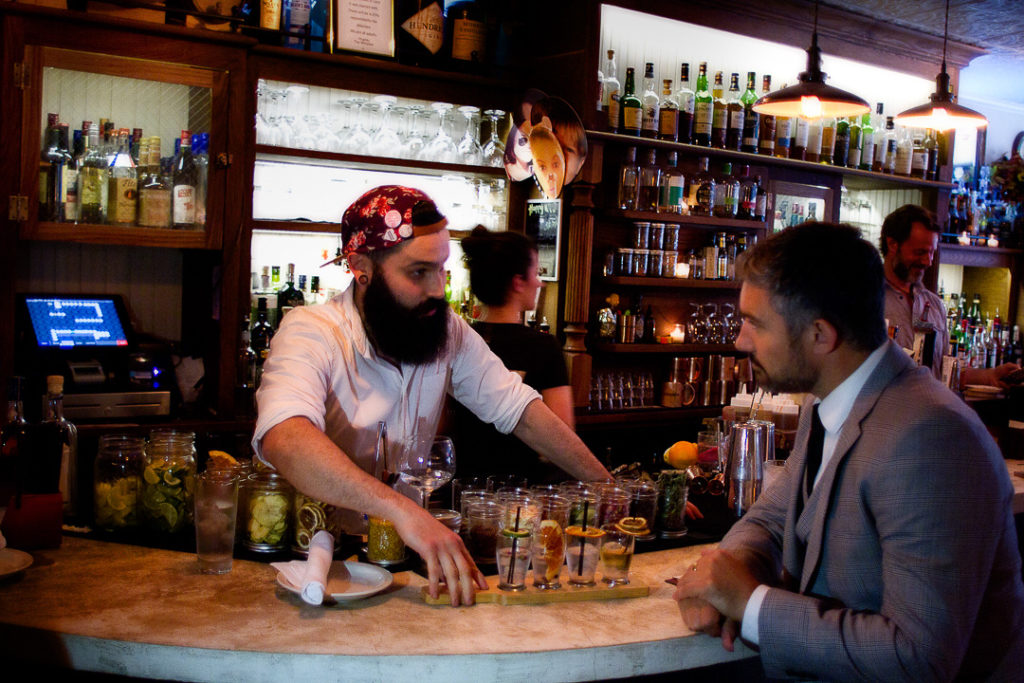
Step into a well-run Gin Bar on a busy evening and the appeal becomes obvious before the first sip. The light tends to be low but not gloomy. The back bar glows with clear glass, etched labels, and bottles that suggest geography as much as alcohol. Citrus oils hang in the air. Ice cracks in the shaker tins. Someone a few stools down is talking about a London dry, while a bartender nearby is expressing grapefruit peel over a highball and explaining why the tonic matters just as much as the spirit.
That scene has held its power for years, even as drinking trends rise, peak, and fade. Whiskey had its long stretch of dominance. Agave continues to attract serious attention. Low and no alcohol menus have become far more sophisticated. Yet the Gin Bar keeps its particular magnetism. It draws the curious drinker, the seasoned regular, the date-night couple, and the cocktail professional who wants to see how another team handles tonic temperature and garnish discipline.
The enduring pull comes from a rare combination. Gin offers variety without becoming inaccessible. It can feel classic without feeling stale. It supports ritual, but it also rewards experimentation. Most of all, it turns drinking into an experience of detail. Tiny choices, a different tonic, a lemon twist instead of lime, a juniper-forward profile instead of a floral one, can change the entire glass. People enjoy that kind of engagement. They do not simply order a drink. They participate in it.
Gin gives bars an unusually broad creative range
A lot of spirits carry a strong built-in identity. Bourbon often leans sweet, warm, and oak-driven. Scotch can pull the drinker toward smoke, malt, or maritime notes. Tequila and mezcal bring their own distinct sense of place. Gin, by contrast, begins with juniper but opens outward. Coriander, angelica, citrus peel, cardamom, lavender, cucumber, rosemary, pepper, olive, seaweed, and dozens of other botanicals can shape the final spirit.
That flexibility matters in a bar setting. It gives bartenders room to build a menu that feels coherent while still offering a wide spread of flavors. A guest who says, “I don’t usually like gin,” often means they had one style they disliked, perhaps something too pine-heavy or too perfumed. In a quality Gin Bar, that resistance can usually be met with a thoughtful question or two. Do they prefer brighter citrus notes, drier finishes, savory character, or softer floral aromas? With enough range behind the bar, the answer can lead to a drink that changes their mind.
I have seen this play out countless times in bars that treat gin seriously. Someone asks for a vodka soda because it feels safe. The bartender suggests a light, citrus-led gin with soda and a slice of fresh orange. The guest agrees reluctantly, then spends the next ten minutes surprised by how clean and refreshing it tastes. That is not a hard sell. It is good hospitality built on product knowledge.
Gin also works across seasons better than many people expect. Summer clearly belongs to the classic gin and tonic, the Collins, and spritz-style serves. But in colder months, a martini with a savory garnish, a gin sour with spice, or a more resinous expression served in a stirred cocktail Gin Bar can feel just as appropriate. A strong Gin Bar understands that it is not selling one note of refreshment. It is selling a spectrum.
The ritual is part of the attraction
People rarely talk about ritual as the reason they love bars, but it often sits at the heart of the experience. Wine has decanting, stemware, and the performance of the pour. Whiskey has nosing glasses, age statements, and the slow reveal of flavor in the glass. Gin has its own ritual language, and it is especially visible in a dedicated setting.
The glassware tends to matter. So does the size and clarity of the ice. Garnish is not an afterthought when it is done properly. In a good Gin Bar, the garnish is selected to amplify what is already in the bottle or to create contrast with intention. A rosemary sprig can sharpen a savory profile. Pink grapefruit can pull bitterness and brightness into better balance. Cucumber can cool a spirit that might otherwise seem too assertive.
Tonic service has become a ritual of its own. Ten or fifteen years ago, many bars treated tonic as a generic mixer. Today, serious gin venues often chill it properly, choose brands with different quinine levels or sweetness profiles, and pour with more care. Those details sound minor on paper. In the glass, they are not. Flat tonic, warm tonic, or over-poured tonic can bury a good gin in seconds.
This attention to process gives guests something many modern experiences struggle to provide: visible craft without excessive pretension. People can watch their drink being built, understand the choices, and taste the result. When done well, it feels polished rather than performative.
A Gin Bar invites conversation rather than intimidation
One of the reasons the format has lasted is that it can satisfy knowledgeable drinkers without alienating newcomers. That balance is harder to achieve than it sounds. Some specialist bars lean so heavily into expertise that the menu reads like an exam paper. Others flatten the experience in the name of approachability and lose the very qualities that make them distinctive.
The best Gin Bar lands in the middle. It gives the enthusiast plenty to explore, perhaps a rare navy strength bottling, a local distillery expression, or a rotating martini specification. At the same time, it offers enough guidance that someone with no gin vocabulary can still order confidently.
This matters because gin tends to spark conversation naturally. Ask a whiskey drinker what they like and the answer may settle around age, cask, region, or smoke level. Ask a gin drinker and the answer often becomes more descriptive. They might talk about herbs, citrus, pepper, texture, or the finish. The spirit encourages sensory language. That makes the bar itself feel more social. People compare pours, pass glasses under each other’s noses, and discover differences they had not expected.
A bartender who knows how to read the room can deepen that experience. I have watched excellent bartenders steer guests away from overcomplication. Instead of reciting fifteen botanicals, they say, “This one is bright and dry,” or “This one leans savory, almost like fresh herbs after rain.” Those descriptions are vivid, practical, and memorable. They help drinkers connect with the spirit rather than feel tested by it.
The menu can be classic and current at the same time
Few spirits move between tradition and modernity as smoothly as gin. A Martini, a Negroni, a Tom Collins, and a Gimlet all still deserve their place on a serious drinks list. None feels obsolete. At the same time, gin adapts to modern preferences with unusual ease. It works in lighter serves, lower-sugar builds, savory cocktails, and regionally inspired drinks that draw on local produce.
For bar operators, that versatility is gold. It means the menu can honor canonical cocktails while still evolving. It can appeal to guests who want a pristine fifty-fifty martini and to those looking for something with elderflower, basil, or saline. A well-conceived Gin Bar does not need to force novelty. The spirit already contains enough variation to keep the offering fresh.
There is also a practical advantage. A guest may begin with a gin and tonic, move to a martini, and finish with a bitter aperitif-style cocktail built on another gin expression. The bar can guide a progression without shifting categories entirely. That continuity gives the night a sense of structure. It also lets the staff show different sides of the same base spirit, which is part of the fun.
The rise of local distilling gave gin new energy
Another reason the category remains compelling is that gin became one of the most accessible entry points for small distilleries. Producing whiskey requires time in barrel. Producing gin, while still demanding skill and investment, allows new distillers to bring a product to market more quickly. That practical reality led to a wave of regional gins, many of them shaped by local botanicals or local identity.
Not every craft gin has been great. Anyone who spent time in the trade during the first big craft surge remembers bottles where enthusiasm ran ahead of refinement. Some tasted aggressively floral. Others buried juniper altogether and Gin Bar seemed confused about what they wanted to be. But the strongest producers learned fast. The standard rose. Distillers became more disciplined, and bars responded by curating more carefully.
That local connection helped turn the Gin Bar into more than a place to drink. It became a place to discover. Guests could try a bottle made fifty miles away and compare it to a benchmark London dry or a Mediterranean-style gin from abroad. That mix of familiarity and discovery is powerful. It gives the venue an educational edge without turning the evening into a seminar.
When bar teams are smart, they build stories around that discovery. A menu note about coastal botanicals, an explanation of why a particular distiller uses olive leaf, or a recommendation that connects a local gin to a specific garnish can make the drinking experience more vivid. People remember details when they taste them directly.
The gin and tonic remains one of the great bar serves
Many classic drinks are beloved by bartenders more than by the public. The gin and tonic is not one of them. Its popularity has endured because it solves several pleasures at once. It is crisp, aromatic, refreshing, and comparatively easy to understand. Even people who do not think of themselves as cocktail drinkers can appreciate a good one immediately.
Yet the gap between an average gin and tonic and a great one is substantial. Anyone who has worked in bars knows this from service. Too much tonic and the spirit disappears. Poor ice management waters everything down. A tired garnish contributes little except appearance. Wrong glass temperature, wrong proportion, or a tonic chosen without regard for the gin can flatten the whole drink.
A dedicated Gin Bar often excels because it respects this deceptively simple serve. That respect sends a message to guests. If the bar cares about a humble G and T, it probably cares about everything else too.
There is also a democratic quality to the drink that should not be overlooked. A martini can intimidate newer drinkers. A Negroni can taste bitter enough to divide the table. A gin and tonic is inviting. It lets the guest begin at ease, then branch into more adventurous territory if they wish. Many memorable evenings in bars start with the most straightforward order on the menu.
Atmosphere matters more here than in many specialist bars
A Gin Bar succeeds or fails partly on the room itself. Gin carries a certain sensory brightness, and the environment needs to support that. A dark, cramped bar can work if it feels intimate and precise. A brighter room can work if it feels crisp and polished. What usually does not work is neglect. Sticky menus, sloppy garnishes, cluttered back bars, and inattentive service undercut the spirit’s biggest strengths.
People notice details acutely in gin-led spaces because the category trains them to notice. If a bar promises careful curation but serves oxidized citrus or visibly wet, fast-melting ice, the contradiction is immediate. On the other hand, when the room is calm, the glassware is spotless, and the service is confident, guests tend to relax into the experience quickly.
The crowd composition matters too. Good Gin Bars often attract mixed groups, not only cocktail obsessives. That creates a useful social blend. There is enough knowledge in the room to make it feel alive, but not so much that casual guests feel excluded. A couple on a first date, a small team after work, and two friends debating martini ratios can coexist comfortably. That breadth is part of the venue’s staying power.
It rewards both connoisseurship and moderation
Another reason gin continues to resonate is that it supports thoughtful drinking. This is not a claim about health, and bars should always be careful about how they frame alcohol. It is a point about pace and structure. Gin often shines in drinks that are aromatic, lengthened, and designed to be savored rather than rushed.
A guest can spend a full evening in a Gin Bar without moving into heavy, palate-fatiguing territory. That is not always true in whiskey-led venues or bars focused on intensely sweet cocktails. A well-made highball or tonic-based serve can hold interest while keeping the experience balanced. For many drinkers, especially those who care about the social side of going out as much as the alcohol itself, that balance is attractive.
It also aligns with how many people now prefer to drink. They still want quality and occasion, but often with more control and more variation. Gin fits that shift neatly. One guest may choose a full-strength martini. Another may opt for a lighter serve with soda, herbs, and citrus. Both can feel equally considered.
There is still plenty of room for surprise
For a category this established, gin remains surprisingly capable of catching people off guard. That may be its most durable advantage. The drinker who believes all gin tastes like juniper can be startled by something saline and savory. The one who expects only floral softness can discover a bottle with black pepper and bitter orange. Even classics can surprise when made with exacting care.
I remember tasting a martini in a small bar where the team froze the glass to the precise point that the first sip felt almost sculptural. The gin was not rare, and the vermouth was well known, but the proportions, temperature, and lemon oils landed so perfectly that the drink seemed entirely renewed. Moments like that explain why guests return to specialist bars. Familiarity is not the enemy of excitement when craft is real.
A serious Gin Bar can also use food more intelligently than many spirit-led venues. Salty snacks, cured fish, briny olives, fresh cheeses, herb-heavy small plates, and citrus-dressed dishes all pair naturally with gin’s profile. That opens up the experience beyond cocktails alone. Guests stay longer, order more thoughtfully, and remember the venue as a place rather than merely a stop for one drink.
The trade-offs are real, and that is part of what keeps standards high
Not every gin-focused concept works. Some bars mistake bottle count for quality. A wall of eighty labels means little if the staff cannot guide the guest or if the tonic program is careless. Others drift into gimmick territory, dressing every drink with oversized garnishes and theatrical flourishes that overwhelm the spirit itself.
There is also the issue of menu sprawl. Because gin offers so many styles, some operators try to showcase everything at once. The result can be confusing. Too many choices slow service and fatigue guests. In practice, a tighter selection often creates a better experience. A bartender who understands thirty bottles deeply usually serves guests better than one standing in front of a hundred bottles they can barely describe.
These constraints are healthy. They force a Gin Bar to refine its identity. Is it classic and martini-led, bright and tonic-led, local and discovery-focused, or culinary and experimental? The strongest venues answer those questions clearly. Guests may not articulate the answer in those terms, but they feel it in the coherence of the night.
Why people keep coming back
At its best, a Gin Bar offers more than drinks. It offers specificity. The guest can taste the difference between citrus and spice, between dry and lush, between a crisp tonic serve and a silky stirred cocktail. Those distinctions make the evening feel richer. They create memory.
That is the deeper reason the format continues to captivate drink lovers. It satisfies the desire for expertise without losing pleasure. It makes room for ritual without becoming stiff. It honors classics while leaving plenty of space for interpretation. And unlike trends built mainly on novelty, it rests on a spirit category broad enough to renew itself constantly through service, atmosphere, and small acts of judgment behind the bar.
People return to places that make them feel both comfortable and slightly more aware than they were before they arrived. A good Gin Bar does exactly that. It sharpens the senses. It invites curiosity. It rewards attention. Even now, in a crowded drinks landscape where every concept competes for a sliver of attention, that combination remains difficult to beat.
The Winslow
243 E 14th St
New York, NY 10003, United States
Phone: +1 212-777-7717
FAQ About Gin Bar
How to do a gin tasting?
Start with a small pour and gently smell the gin before taking a small sip. Notice its juniper, citrus, floral or spice notes, then compare how the flavor changes with a little water or tonic. At a gin bar, ask the bartender to explain the selection and botanical pairings.
How to make the best tasting gin and tonic?
Use chilled gin, fresh tonic and plenty of ice. A common starting ratio is one part gin to two parts tonic, adjusted to taste. Choose a garnish that complements the gin's botanicals and stir gently to preserve the bubbles.
What is the smoothest tasting gin?
There is no single smoothest gin for everyone. Perceived smoothness depends on the botanical recipe, alcohol strength, serving temperature and mixer. Describe whether you prefer citrus, floral, herbal or juniper-forward flavors so a bartender can suggest a suitable style.